

Zhangjiajie & Wulingyuan
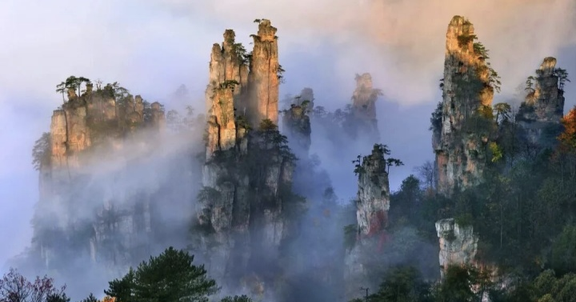
UNESCO World Heritage landscape of thousands of sandstone pillars, deep gorges and forest trails, plus Tianmen Mountain near the city.
The Eight Views of Xiaoxiang, described by the Song dynasty writer Shen Kuo, are a classic way of picturing the scenery of Hunan's rivers and lakes.
Festivals, performance and craft traditions of Hunan's communities.
Choose a part of the province.
Three-, five- and seven-day itineraries covering Changsha, Zhangjiajie, Fenghuang, Yueyang and Mount Heng.
Source: Hunan Provincial Bureau of Statistics (Chinese-language publication). HunanProvince.org is an independent website.
From the pillars of Zhangjiajie to the riverside towns of the west, Hunan rewards travellers who take their time.
UNESCO World Heritage landscape of thousands of sandstone pillars, deep gorges and forest trails, plus Tianmen Mountain near the city.
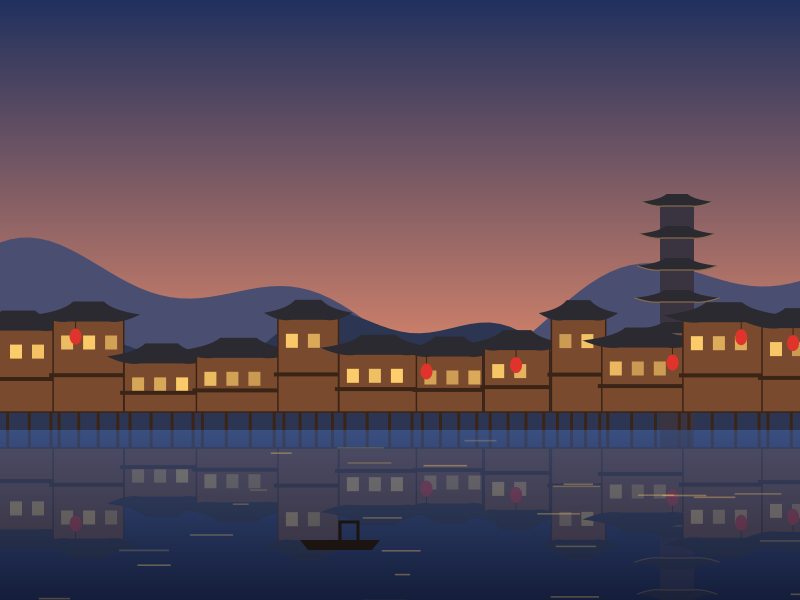
Stilt houses along the Tuo River, old city walls and lantern-lit evenings in the hometown of writer Shen Congwen.

Forest paths, the Aiwan Pavilion famed for autumn maples, and Yuelu Academy, founded in 976.

A celebrated historic tower above one of China's great lakes, with winter birdlife in the East Dongting wetlands.
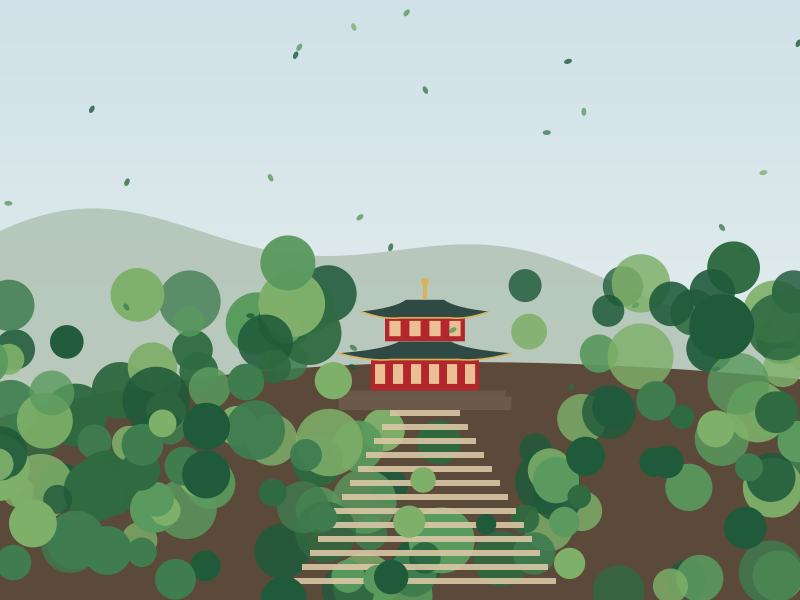
One of China's Five Great Mountains, with Buddhist and Taoist temples, cloud forests and pilgrim trails.

Red sandstone cliffs and pillars forming part of the China Danxia World Heritage Site.

Mountain rice terraces in Xinhua County watered by a natural irrigation system; best when flooded in spring or golden in autumn.
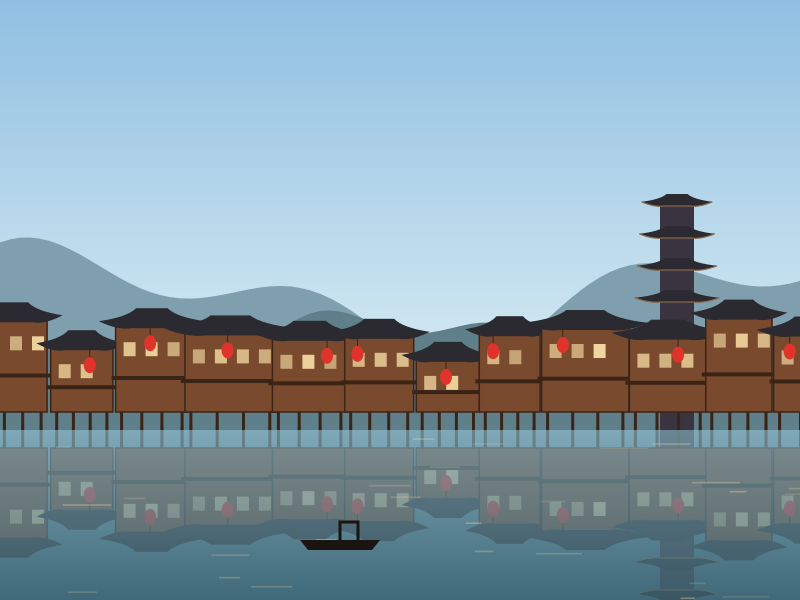
Well-preserved merchant houses, guild halls and lanes from the town's days as a trading hub on the Yuan River.
Hunan cuisine, or Xiang cuisine, is one of China's eight great culinary traditions. Expect bold flavours: fresh and pickled chillies, smoked and cured meats, fermented black beans and plenty of garlic and ginger. Signature dishes include steamed fish head with chopped chillies, red-braised pork, stir-fried smoked pork and Changsha's black stinky tofu.
The province is also a notable tea producer. Look for Anhua dark tea from Yiyang, aged and pressed into bricks or bundles; Junshan silver needle, a rare yellow tea from an island in Dongting Lake; and green teas from the hills around Changsha.


Xiang embroidery from Changsha is counted among China's four famous embroidery traditions, renowned for lifelike animals and landscapes. Liling porcelain is known for colours painted beneath the glaze. Liuyang is a world-famous centre of fireworks making.
Performing traditions include Xiang opera and the lively Huagu (flower-drum) opera. In western Hunan, Tujia and Miao communities maintain traditions of silverwork, brocade weaving, song and dance. Jiangyong County is known for Nüshu, a historic script used by women.
Original illustrations of Hunan's landscapes and culture. Select an image to enlarge it.
Most visitors need a visa to enter mainland China, but China has expanded visa-free entry and visa-free transit arrangements for many nationalities in recent years. Eligibility, permitted length of stay and qualifying ports change, so check the latest rules with the Chinese embassy or consulate in your country, or official immigration sources, before booking.
Changsha Huanghua International Airport is the main air gateway, and Zhangjiajie has its own airport. High-speed trains link Changsha with Guangzhou, Wuhan, Beijing, Shanghai and Zhangjiajie. Changsha has an extensive metro system and a maglev line to the airport. Train tickets require your passport; buy them through the official railway app or at stations. Ride-hailing apps are widely used in cities.
Mobile payments dominate. Both major Chinese payment apps allow many international visitors to link foreign bank cards; set this up before you arrive. Carry some cash as a backup, as acceptance of foreign cards at shops remains limited. Many international websites and apps are not accessible in mainland China, so check your connectivity options, such as international roaming, in advance.
| Service | Number |
|---|---|
| Police | 110 |
| Fire | 119 |
| Ambulance | 120 |
| Traffic accidents | 122 |
Large hospitals in Changsha have international or VIP clinics where some staff speak English. Pharmacies are common in cities. Comprehensive travel insurance is strongly recommended. Hunan is generally safe for travellers; take normal precautions with valuables in crowded places.
Spring (March to May) and autumn (September to November) are the most comfortable seasons. Summers are hot and humid with heavy rain in early summer; winters are cool and damp, with occasional snow in the mountains. Avoid national holiday periods if you prefer quieter scenic areas.
Independent travel information. Policies on entry, ticketing and payments change frequently. Always confirm with official sources before you travel.