
Construction machinery & equipment
Changsha is one of the world's leading centres for construction machinery, including concrete pumps, cranes and excavators, with an extensive supplier base and a biennial international equipment exhibition.

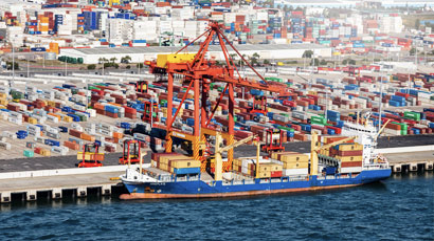 Key Industries
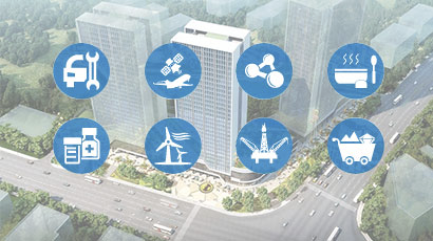 Industrial Parks & Zones
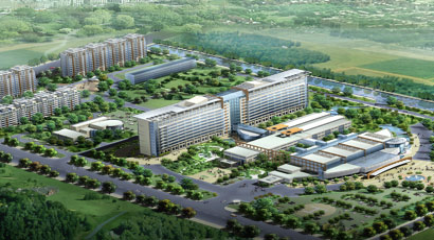 Projects for Investment

Hunan combines a large manufacturing base with a central location between the Yangtze River economic belt and the Guangdong–Hong Kong–Macao Greater Bay Area. For companies, the province offers industrial clusters, a large workforce and improving transport links.
The province's gross regional product has been around five trillion yuan in recent years, placing it among China's ten largest provincial economies. The Changsha–Zhuzhou–Xiangtan city cluster accounts for a large share of output. Equipment manufacturing is the leading industrial sector, while services, including media, logistics and tourism, continue to grow.
Please note: This section is general information from an independent website, not investment, legal or tax advice. Policies change; confirm requirements with the competent authorities and qualified advisers.
Changsha is one of the world's leading centres for construction machinery, including concrete pumps, cranes and excavators, with an extensive supplier base and a biennial international equipment exhibition.
Zhuzhou is a national centre for electric locomotives, rail vehicles and traction systems, supported by component manufacturers across the Chang-Zhu-Tan cluster.
Building on its mineral resources, Hunan processes non-ferrous metals and develops advanced materials such as battery materials, powder metallurgy products and specialty alloys.
Changsha has a growing cluster in computing hardware, software, semiconductors and display technology, alongside universities that supply engineering talent.
Provincial television and the Malanshan video and creative industry park in Changsha make the city a recognised centre for entertainment and digital content production.
Rice, tea, citrus, pork and freshwater fish support a large food processing sector. Hybrid rice research is an internationally known strength.
Pharmaceutical manufacturing, traditional Chinese medicine and medical devices are developing industries, linked to Changsha's large hospital and research base.
World Heritage landscapes, cultural tourism, logistics and business services form a growing share of the provincial economy.
Development zones concentrate infrastructure, services and industry-specific support. A selection of the best-known:
| Zone | Location | Focus |
|---|---|---|
| Xiangjiang New Area | Changsha (west bank of the Xiang River) | State-level new area approved in 2015; advanced manufacturing, technology and modern services. |
| Changsha Economic and Technological Development Zone | Changsha | National-level zone known for construction machinery and automotive manufacturing. |
| Changsha High-Tech Industrial Development Zone | Changsha | National-level high-tech zone; electronics, software, new materials and biomedicine. |
| Zhuzhou high-tech and industrial zones | Zhuzhou | Rail transit equipment, aviation-related manufacturing and new materials. |
| Yueyang Chenglingji area | Yueyang | Yangtze River port logistics, petrochemicals and trade; part of the pilot free trade zone. |
| Chenzhou zones | Chenzhou | Non-ferrous metals processing and links to the Greater Bay Area; part of the pilot free trade zone. |
Approved in 2020, the pilot free trade zone covers roughly 120 square kilometres in three areas: Changsha (advanced manufacturing and China–Africa cooperation), Yueyang (Yangtze River port logistics) and Chenzhou (links with the Greater Bay Area and non-ferrous metals processing). The zone trials streamlined administrative and trade procedures before they are applied more widely.
Read our explainer: Understanding the China (Hunan) Pilot Free Trade Zone.
Changsha sits where the Beijing–Guangzhou and Shanghai–Kunming high-speed corridors cross, putting Guangzhou, Wuhan and many other major cities within a few hours.
Changsha Huanghua International Airport is the province's main gateway, with domestic and international routes. Zhangjiajie and several other cities also have airports.
Chenglingji port at Yueyang connects Hunan to Yangtze River shipping toward Wuhan, Nanjing and Shanghai.
Freight train services from Changsha connect to Central Asia and Europe, and rail–sea routes link to southern ports.
Hunan's trade spans machinery, electronics, steel and non-ferrous products, agricultural goods and consumer products. Trade with African countries has a particularly high profile: Changsha hosts the biennial China–Africa Economic and Trade Expo. Read more in Hunan's place in China–Africa economic and trade exchange.
A general outline of how foreign companies typically establish a presence in mainland China, including Hunan. Exact requirements depend on sector, structure and location.
Review the national Special Administrative Measures for Foreign Investment Access (the "negative list") to confirm whether your activity is prohibited, restricted or open, and whether sector licences apply.
Common options include a wholly foreign-owned enterprise, a joint venture with a Chinese partner, or a representative office for liaison activities that do not generate revenue.
Registration is handled by the local market regulation authority, which issues the business licence. Many procedures can now be completed online, and pilot zones may offer streamlined steps.
Typical steps include making company seals, opening bank accounts, tax registration, foreign exchange registration, and customs registration if you will import or export.
Employment contracts, social insurance contributions and work permits for foreign staff follow national rules administered locally. Annual reporting and tax filing obligations continue after set-up.
China's Foreign Investment Law, effective since 1 January 2020, sets out the national framework for foreign investment, including national treatment outside the negative list.
In sectors not restricted by the national negative list, foreign investors can generally establish wholly foreign-owned enterprises. Restrictions and licensing requirements apply to some sectors. Check the current list and take professional advice.
No. We are an independent information website and do not provide registration, legal, tax or agency services. We explain the general process so you can have better-informed conversations with official bodies and licensed advisers.
Official investment promotion and commerce authorities at provincial and city level publish policies and contacts. The official provincial English portal is a useful starting point for locating them.
Not as a whole. It is a policy framework covering three areas where new procedures are trialled. Some facilities inside the zone, such as bonded areas, have special customs arrangements.